March Recommendations

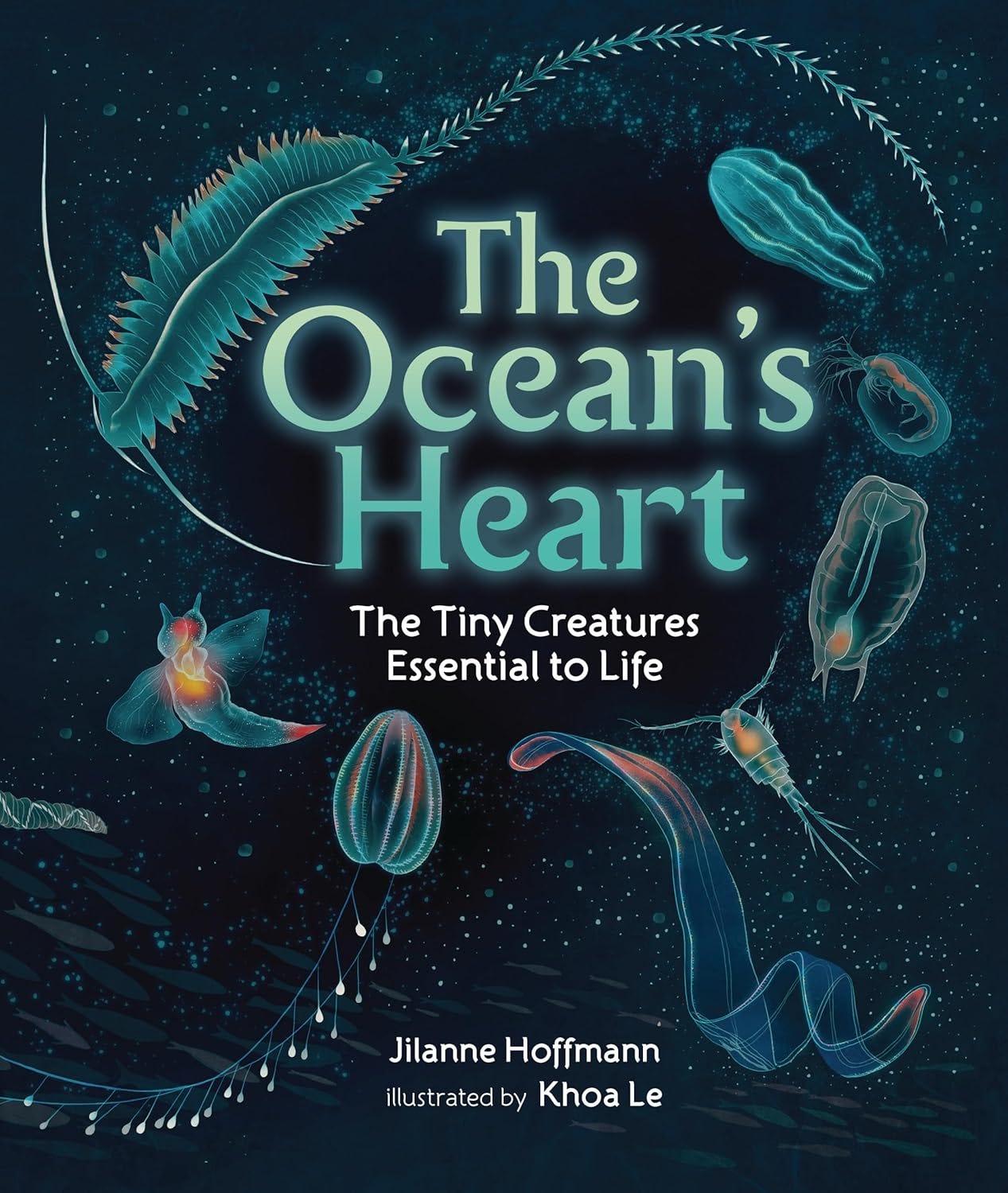
THE OCEAN’S HEART: THE TINY CREATURES ESSENTIAL TO LIFE, written by Jilanne Hoffmann and illustrated by Khoa Le, is a stunning exploration of zooplankton, the “tiny, restless creatures” the author names as “the ocean’s heart.” Small enough for a thousand to “live in one teaspoon of ocean brine,” or “quite large” like jellyfish, these ocean animals drift with the currents, hiding in deep, dark water for safety. Until night, when they race to the surface for food. “Rise, paddle, rise,” they draw predators in their wake, but swimming together they reach the top where they gorge themselves on tiny plants called phytoplankton. Then “too soon,” they must retreat to the ocean deep to wait out another day. Hoffman’s lyrical and factual text immersively draws readers into the fascinating journey, while Le’s dazzling art brings the magic to life. The book is designed to be rotated several times, emphasizing the depths to the heights to the depths these creatures travel. Back matter provides even more information and resources, including how to help protect vital ocean creatures.
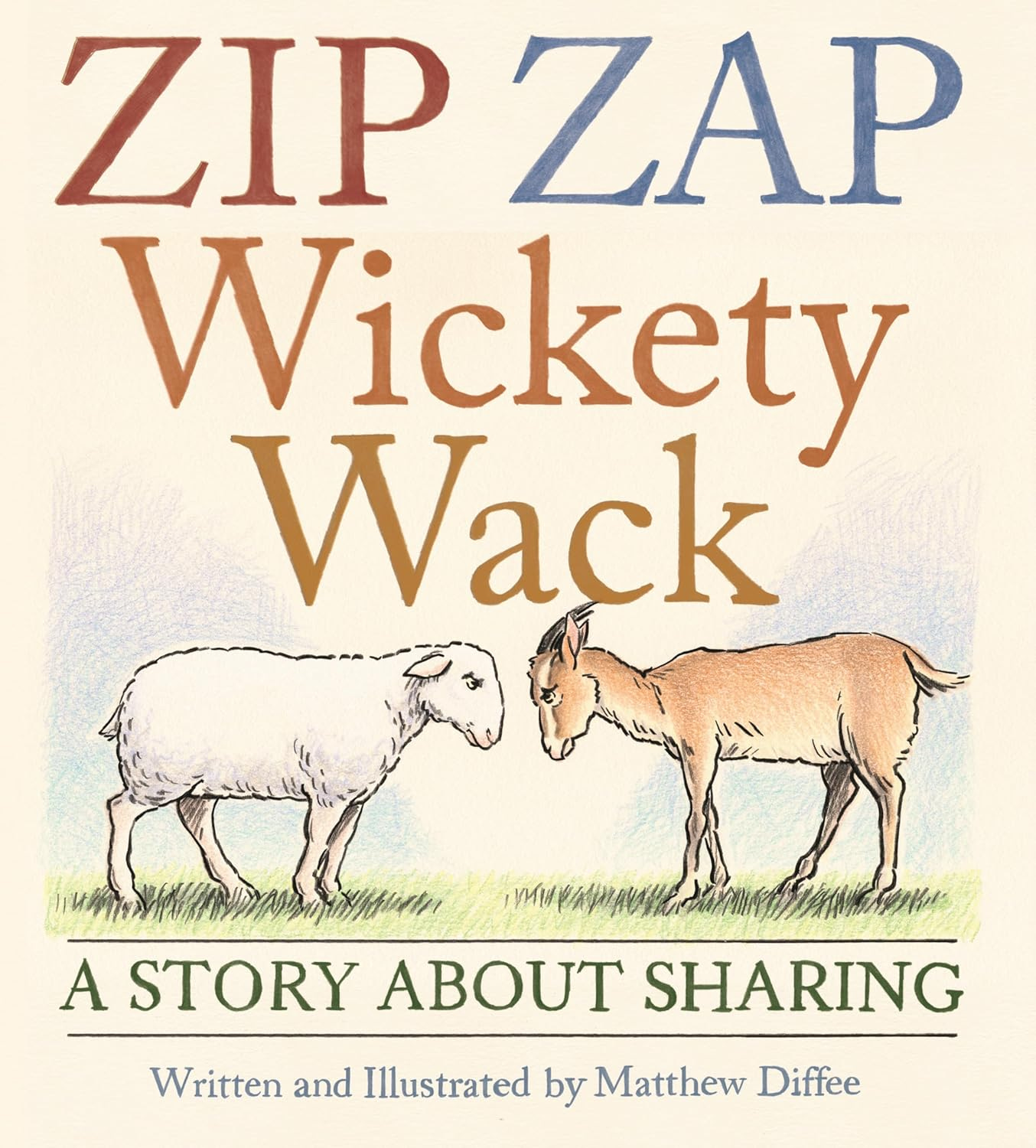
ZIP ZAP WICKETY WACK: A STORY ABOUT SHARING, written and illustrated by Matthew Diffee, is pure fun. “The cow says, ‘Moo.’ The horse says, ‘Neigh.’” But when sheep and goat realize they both say “Baa,” neither wants to share. Sheep proposes to “say something new like oink,” but Pig says sorry, no. “Quack,” “cockadoodledoo,” and “ribbit” are already taken. So what’s a sheep to say? “Zip Zap Wickety Wack Bing Bang Walla Balla Flip Flap Yackety Yack Wing Ding Dilly,” of course. Except… Featuring a rambunctious farmyard of animals and some surprise guests, these critters learn a thing or two about sharing by the end. The animals’ quibbling is spot on, and wax and colored pencil illustrations have an old fashioned, Marjorie Flack kind of feel. This one is really entertaining, and feels completely fresh!
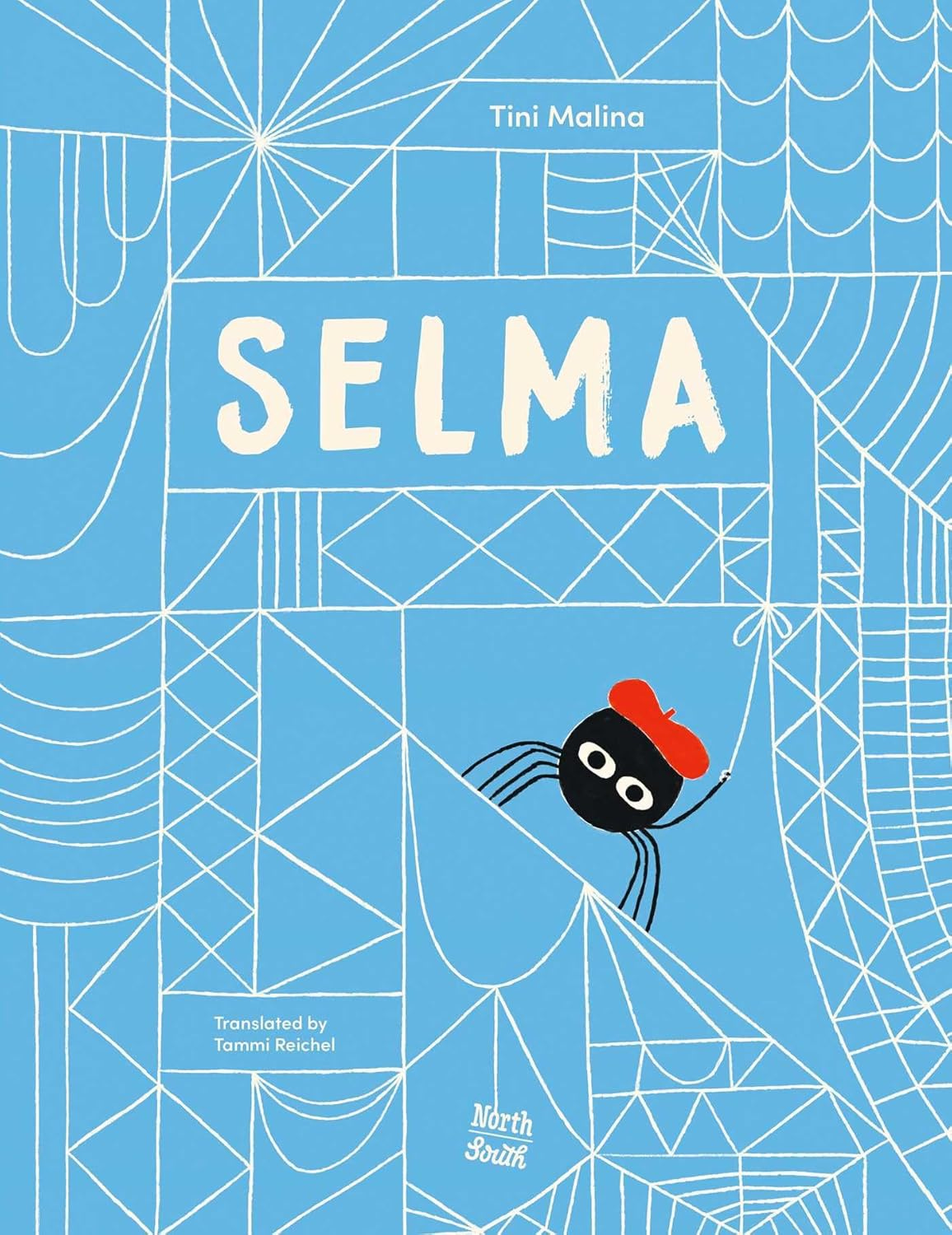
SELMA, written and illustrated by Tini Malina, translated by Tammi Reichel, stars a one-in-a-thousand spider who wants to craft a web not merely to “catch the juiciest flies,” but that are unusual enough, special enough, to “capture the Splendor of the Universe.” Selma’s rendition of rain is a “web of loveliness and beauty.” Another time she “capture[s] the beauty of the night sky.” When Selma sets off to “spin a web as close to the sky as possible,” she heads to the tallest building she can see. She climbs for a very long time. When she stops to rest, she meets an ancient spider who advises, “only the spider who risks spinning too far finds out how far she can spin.” Selma agrees and carries on to the roof, a spectacular place where her dreams begin to come true. Sweet, imaginative, and inspiring, Selma is illustrated with attractive, bold, postery art.
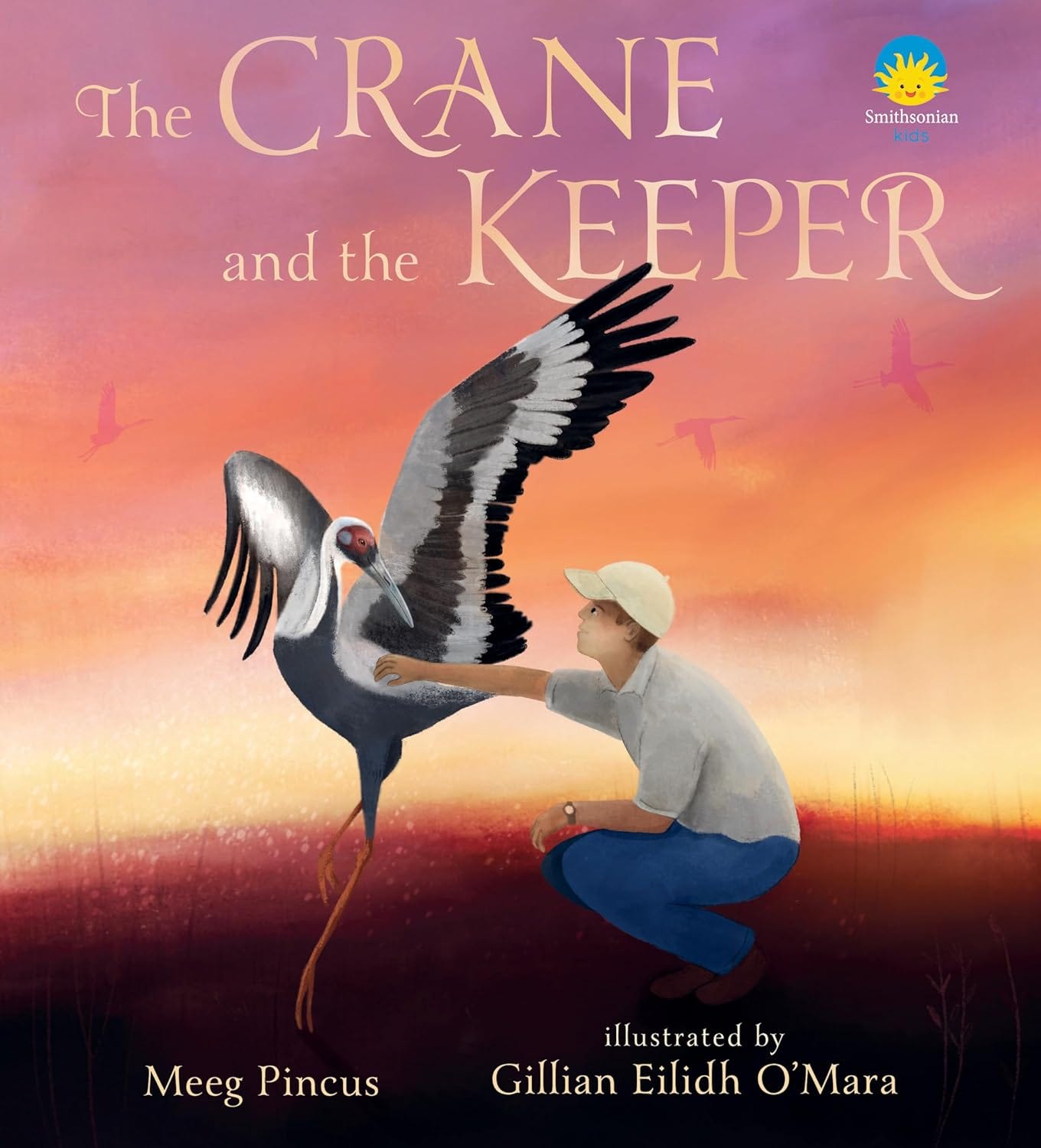
THE CRANE AND THE KEEPER: HOW AN ENDANGERED CRANE CHOSE A HUMAN AS HER MATE, written by Meeg Pincus and illustrated by Gillian Eilidh O’Mara, is fascinating! Not only because of the unique premise, but because it’s a story well-told with captivating prose and touching, detailed illustrations. Apparently, when Walnut the white-naped crane was rescued as a hatchling, she was cared for too lovingly by a handler. As babies, “cranes cling closely and attach for life,” and Walnut imprinted on humans. She was thrown out of zoos for being too aggressive with other cranes, but Walnut was needed to expand the gene pool of her species. Finally, she landed with wildlife keeper Chris Crowe who spent years working with Walnut to gain her trust. Finally, the crane began “courting Chris as a mate!” The awkward antics don’t end there, this is a terrific success story owing its success to Crowe’s deeply rooted belief: If humans harm wildlife species, then humans must save them.”
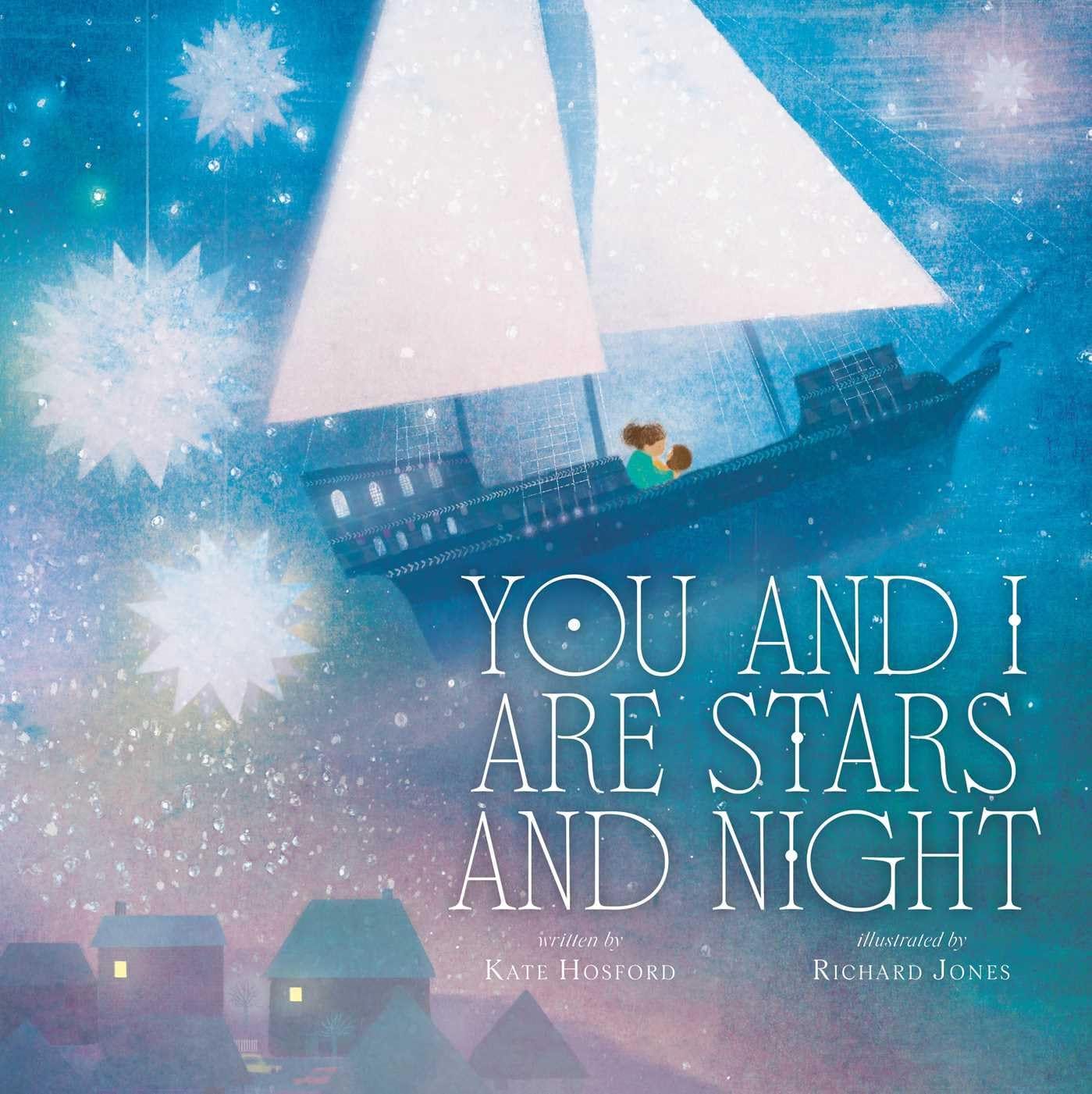
YOU AND I ARE STARS AND NIGHT, written by Kate Hosford and illustrated by Richard Jones, is a soothing, soporific journey through sea and sky, as well as a love story between mother and child, told with perfect rhythm and rhyme. “In restless waters we are brave. /Together we will face each wave /and every tentacle and tail. /You and I are boat and sail.” Painted with acrylic and watercolor on paper then digitally processed, the art is evocative and dreamy. All of it—perfectly lovely.
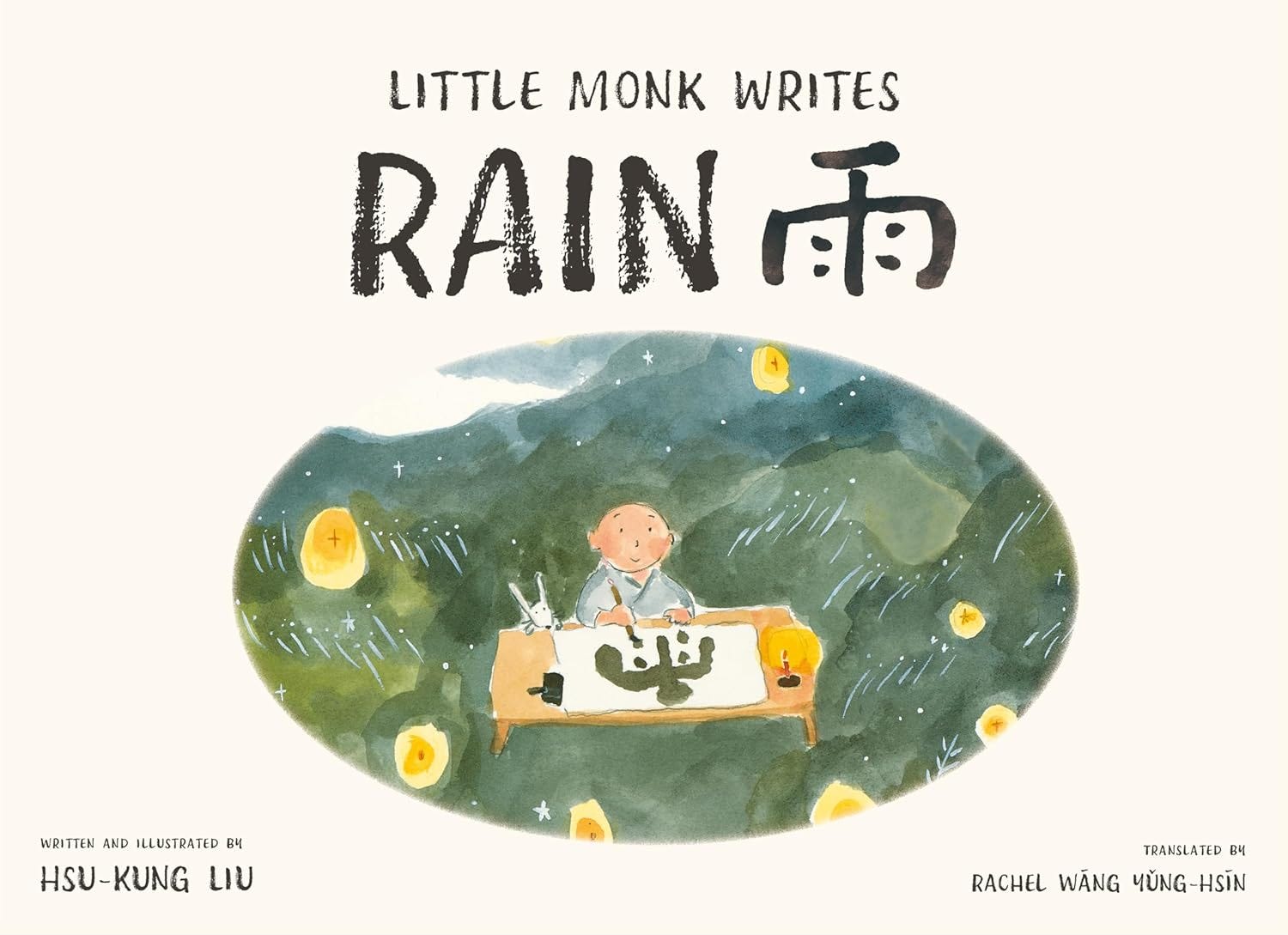
In LITTLE MONK WRITES RAIN, written and illustrated by Hsu-Kung Liu and translated by Rachel Wāng Yǔng-Hsīn, Little Monk lives in a temple, where he “fetches water, sweeps, and cooks.” Little Monk “is not able to learn to read,” and as he grows up, “sometimes other people laugh at him.” But Little Monk smiles anyway. One rainy day, Old Monk teaches the child to write the character for rain. Little Monk feels calmer as he writes. He practices the character over and over “for twenty years straight.” In the process he grows into Big Monk, who still cannot read. One day, a drought brings an appeal for the monks to help, so they take their beads and prayer books to the town, where the emperor’s “splendid” ceremonies are failing. Big Monk holds out “all the calligraphy he has written over the years,” sheets of paper written on days both important and insignificant. His tears wet the pages, and a strong wind swirls them into the air. As the monks walk home in the rain, “their hearts are filled with gratitude.” This is a gentle, meditative presentation of mindfulness, compassion, and the importance of believing in yourself.
You’ve got quite a collection here! You’re the only one who provides more books I haven’t seen than ones I have seen before. Well done! 👏🏼👏🏼